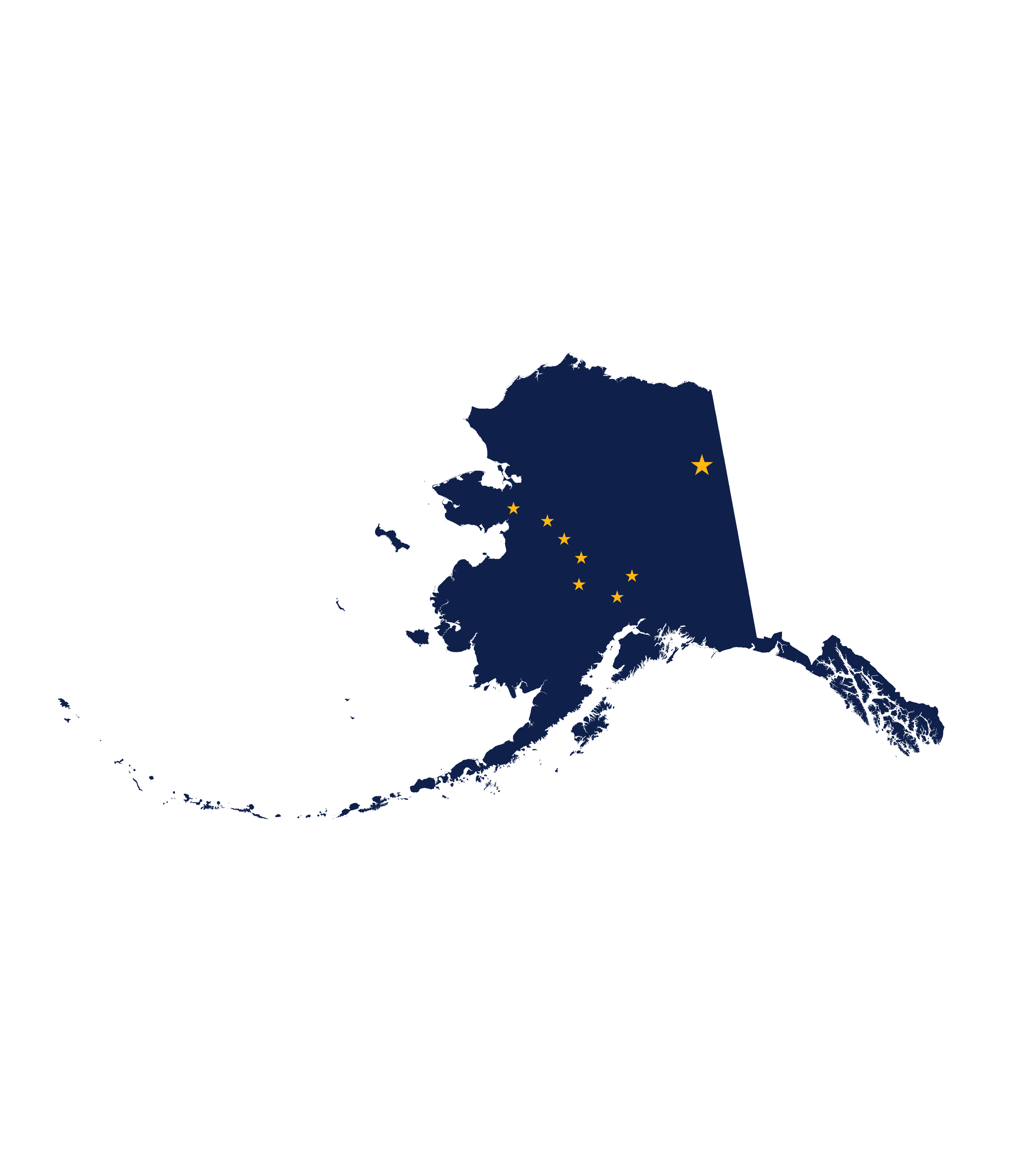
Alaska Governor Election Winner
Tom Begich










Order Book
Tom Begich
Resolution Criteria
This market will resolve according to the candidate who wins the 2026 Alaska gubernatorial election currently scheduled for November 3, 2026. If the results of the election are not confirmed by July 31, 2027, this market will resolve to "Other". The resolution source for this market is the Associated Press, Fox News, and NBC. This market will resolve once all three sources call the race for the same candidate. If all three sources haven’t called the race in Alaska for the same candidate, this market will resolve based on official certification.
Tom Begich and Bernadette Wilson are the heaviest-backed contenders to win the 2026 Alaska gubernatorial election in current prediction market trading, with volume heavily concentrated on those two candidates from a broad field of forty outcomes. Treg Taylor, Jonathan Kreiss-Tomkins, Nancy Dahlstrom, and Click Bishop form a secondary cluster of contenders. The race resolves once the Associated Press, Fox News, and NBC all call the result for the same candidate, with official certification as a fallback.
Market structure
The market spans forty named outcomes and is heavily concentrated on two candidates — Tom Begich and Bernadette Wilson — with a secondary cluster including several other named figures. Resolution requires agreement from three sources: the Associated Press, Fox News, and NBC. If those three sources do not converge, official state certification determines the winner. If no result is confirmed by 31 July 2027, the market resolves to 'Other'. The election is scheduled for 3 November 2026.
Background
Alaska's 2026 gubernatorial race will determine the successor or continuation of executive leadership in a state with distinctive political geography — one that has historically produced competitive, non-partisan elections and was the first state to adopt ranked-choice voting for statewide contests. The state's economy is heavily shaped by oil revenues, federal land policy, and fishing and resource industries, giving gubernatorial candidates distinct incentives around energy development and federal relations. Alaska has a tradition of electing independents and crossover candidates, and its ranked-choice system — which was retained after a 2024 ballot measure sought to repeal it — can significantly affect outcomes in multi-candidate fields. The 2022 cycle demonstrated how ranked-choice dynamics can reshape results long after election night, a factor relevant to any projection about resolution timing in this race.
Key factors
Alaska's ranked-choice voting system means the initial count on election night may not produce a winner if no candidate exceeds fifty per cent of first-preference votes, triggering subsequent rounds of tabulation. This can delay media calls and push resolution beyond election night. The breadth of the candidate field — with forty outcomes tracked — increases the probability of a ranked-choice runoff process. Candidate entry and exit before the filing deadline could shift concentration significantly; several names currently carry minimal market weight and may not ultimately file. Incumbent or establishment advantages in name recognition matter differently under ranked-choice dynamics, where second- and third-preference votes can be decisive. National political conditions in 2026, including federal funding decisions affecting Alaska's budget and any high-profile federal policy changes on energy or land use, may influence voter sentiment. The timing of media calls depends partly on how quickly ranked-choice tabulation concludes, and if all three designated sources do not agree, official certification — which may come weeks after election day — becomes the resolution mechanism.
FAQ
How is the 2026 Alaska Governor Election market resolved?
The market resolves when the Associated Press, Fox News, and NBC all call the race for the same candidate. If those three sources do not agree, the market resolves based on official Alaska state certification of the election result. If no result is confirmed by 31 July 2027, it resolves to 'Other'.
When does the 2026 Alaska gubernatorial election market resolve?
The election is scheduled for 3 November 2026. Resolution may follow shortly after if all three designated sources call the race simultaneously, or later if ranked-choice tabulation delays a definitive result. The hard fallback deadline for resolution is 31 July 2027.
What happens if Alaska's ranked-choice process delays the result past election night?
If no candidate wins a majority of first-preference votes, Alaska conducts additional ranked-choice tabulation rounds, which can take days or weeks. In that scenario the market would not resolve until all three designated sources — AP, Fox News, and NBC — call the race, or until official certification if they do not agree.
What does the 2026 Alaska Governor market currently show?
Trading is heavily concentrated on Tom Begich as the heaviest-backed outcome, with Bernadette Wilson as the second most backed candidate. A secondary cluster includes Treg Taylor, Jonathan Kreiss-Tomkins, Nancy Dahlstrom, and Click Bishop. The remaining candidates in the forty-outcome field carry minimal market weight.
Paridesk is not a regulated financial advisor. The information above is for informational purposes only and does not constitute financial, investment, or trading advice. Prediction markets carry risk of total loss. Past patterns do not guarantee future outcomes.
Related Markets






Tom Begich
30%