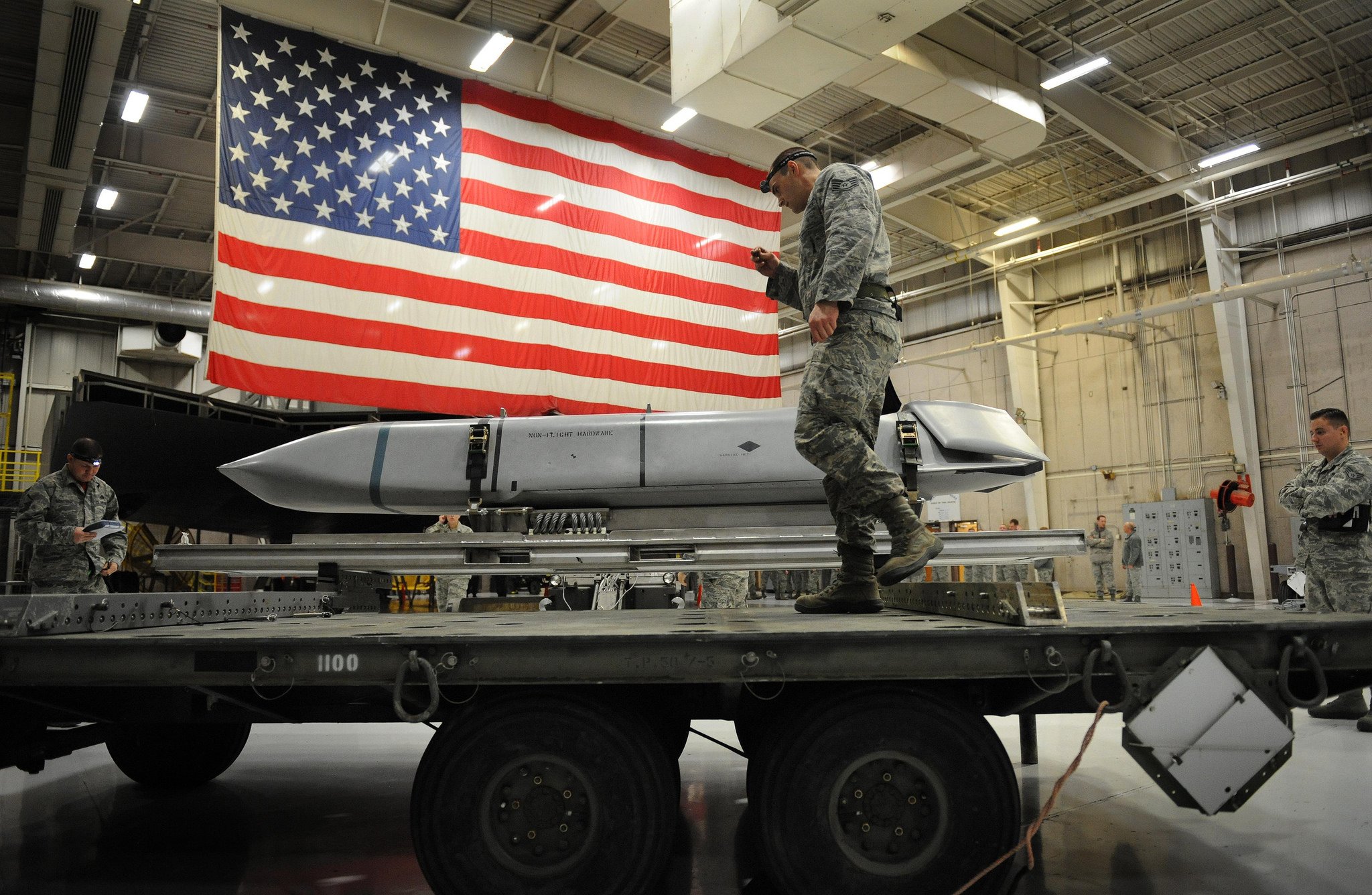
How many different countries will the US conduct military action against in 2026?
8

Order Book
8
Resolution Criteria
This market will resolve according to the total number of different countries' soil that the United States initiates a drone, missile, or air strike on between January 1, 2026, 12:00 AM ET and December 31, 2026, 11:59 PM ET. Strikes on embassies or consulates will count towards the country the embassy or consulate is located in, not towards the country they represent. Strikes within the territory controlled by the United States as of December 31, 2025, 11:59 PM ET will not be counted towards this market's resolution. For the purposes of this market, a qualifying "strike" is defined as the use of aerial bombs, drones, or missiles (including cruise or ballistic missiles) launched by US military forces that impact another country's ground territory that is officially acknowledged by the US government or a consensus of credible reporting. Missiles or drones that are intercepted and surface-to-air missile strikes will not count towards the resolution of this market, regardless of whether they land on another country's territory or cause damage. Actions such as artillery fire, small arms fire, FPV or ATGM strikes directly, ground incursions, naval shelling, cyberattacks, or other operations conducted by US ground operatives will not qualify. The resolution source will be a consensus of credible reporting.
Prediction market trading on how many countries the US will conduct military strikes against in 2026 is heavily concentrated around the 8–9 country range, with those two outcomes drawing by far the most volume. The market covers drone, missile, and air strikes officially acknowledged by the US government or confirmed by a consensus of credible reporting, counting distinct national territories struck between 1 January and 31 December 2026. Resolution is determined by a consensus of credible reporting at year-end.
Market structure
The market offers 16 discrete numerical outcomes, from low single digits up to 15 or more countries. Volume is heavily concentrated on 8 and 9 countries, which together account for the dominant share of trading activity. Outcomes in the 10–13 range attract moderate but declining interest, while 14 and above are thinly traded. Resolution requires a full calendar year of confirmed strike activity, with the final tally drawn from credible reporting consensus by 31 December 2026.
Background
The United States has maintained active strike operations across multiple theatres simultaneously in recent years, including counter-terrorism campaigns in the Middle East and Africa alongside more recent strikes tied to the Yemen conflict and operations against Iran-aligned militia networks. The 2024–25 period saw a notable expansion in the geographic breadth of acknowledged US strike activity, with operations reported across a wider set of countries than in earlier years of the post-9/11 era. This market attempts to quantify that geographic breadth across a single calendar year, making it sensitive to both the continuation of existing campaigns and the initiation of any new operational theatres. The question of geographic reach — rather than intensity — is what drives resolution here.
Key factors
The primary driver of resolution is whether ongoing strike campaigns in established theatres — including Yemen, Syria, Iraq, and Somalia — continue throughout 2026. Any diplomatic settlement, ceasefire, or withdrawal from an active theatre would reduce the count, while escalation into new countries would increase it. The definition of a qualifying strike is narrow: only aerial bombs, drones, or cruise and ballistic missiles that physically impact foreign soil and are acknowledged by the US government or confirmed by credible reporting count. Intercepted munitions, ground operations, naval gunfire, and cyberattacks are all excluded, which limits the count relative to total US military activity. The requirement for official acknowledgement or reporting consensus means covert or unacknowledged operations may not count even if they occur. Congressional authorisations, evolving Rules of Engagement, and any new conflict involving US forces — particularly in Africa or the broader Middle East — represent key decision points that could shift the final number meaningfully in either direction.
FAQ
How is the 'countries struck by the US military in 2026' market resolved?
Resolution is based on a consensus of credible reporting confirming the number of distinct national territories where US forces conducted drone, missile, or air strikes between 1 January and 31 December 2026. Each country's soil counts once regardless of how many strikes occur there. Intercepted munitions, ground operations, and cyberattacks do not qualify.
When does this US military strikes market resolve?
The market covers the full 2026 calendar year, with strike activity counted through 31 December 2026 at 11:59 PM ET. Resolution is assessed after year-end once a consensus of credible reporting can confirm the total number of distinct countries struck.
What happens if a strike is conducted but not officially acknowledged by the US government?
Unacknowledged strikes can still count if a consensus of credible reporting confirms the event. A strike that is neither officially acknowledged nor corroborated by credible reporting would not be counted toward resolution, even if it is alleged or suspected to have occurred.
What does the market currently show?
Trading is heavily concentrated on 8 and 9 countries as the most likely outcomes, with those two options drawing the dominant share of volume. Outcomes in the 10–13 range attract progressively less activity, and outcomes of 14 or more countries are thinly traded at the tail of the distribution.
Paridesk is not a regulated financial advisor. The information above is for informational purposes only and does not constitute financial, investment, or trading advice. Prediction markets carry risk of total loss. Past patterns do not guarantee future outcomes.
Related Markets



8
35%