Toronto Mayoral Election Winner
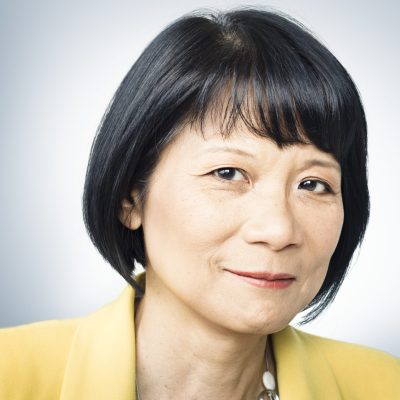
Olivia Chow





Order Book
Olivia Chow
Resolution Criteria
The 2026 Toronto mayoral election is currently scheduled to be held on October 26, 2026. This market will resolve according to the candidate who becomes the next mayor of Toronto as a result of this election. Temporary, interim, or placeholder mayors appointed before the election will not be considered. If the result of this election isn't known by June 30, 2027, 11:59 PM ET, the market will resolve to "Other". The primary resolution source for this market will be a consensus of credible reporting; however, if there is any ambiguity in the results, this market will resolve according to official information from Toronto.
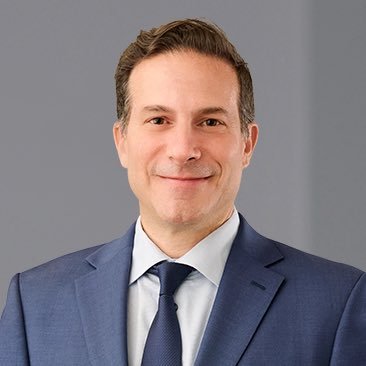
Olivia Chow is the heaviest-backed candidate to win the 2026 Toronto mayoral election in current prediction market trading, with Brad Bradford the next most concentrated outcome and all other candidates drawing minimal volume. The market spans 36 named outcomes and resolves according to the official winner of the election scheduled for 26 October 2026, with credible reporting as the primary source of truth.
Market structure
The market lists 36 outcomes, with volume heavily concentrated on a single candidate — Olivia Chow — and a secondary contender in Brad Bradford. All remaining candidates individually account for a small fraction of total volume, making this effectively a two-horse race in market terms. Resolution follows the certified result of the 26 October 2026 Toronto municipal election, sourced from credible reporting consensus or official City of Toronto information in cases of ambiguity. A fallback deadline of 30 June 2027 applies.
Background
Toronto's 2026 mayoral election takes place during a period of considerable civic debate over housing affordability, transit expansion, and the city's relationship with provincial and federal governments. Olivia Chow won a by-election in June 2023 following the resignation of John Tory, becoming mayor after a campaign centred on social equity and transit investment. She is seeking a full four-year term in 2026. Toronto is Canada's largest city and its mayoral race routinely attracts national attention, reflecting tensions between the city's progressive urban electorate and a broader Ontario political landscape that has trended conservative under the provincial government. The 2026 contest is the first regularly scheduled Toronto mayoral election since 2022.
Key factors
Chow's incumbency provides organisational and name-recognition advantages, but incumbents in Toronto's recent history have faced significant opposition from candidates backed by centrist and conservative constituencies. Brad Bradford, a sitting city councillor, has positioned himself as the principal challenger, and the degree to which anti-incumbent vote consolidates around a single candidate will be a decisive structural factor. Voter turnout patterns in municipal elections tend to favour candidates with strong ground operations. Provincial political dynamics — including the Ontario government's ongoing interventions in Toronto governance, such as changes to the strong mayor powers framework — could shape the salience of different policy platforms. Candidate field size (36 outcomes listed) introduces split-vote considerations, though market volume suggests most candidates are not regarded as serious contenders. Any significant late-stage candidate withdrawal or endorsement shift could redistribute volume materially.
FAQ
How is the 2026 Toronto mayoral election market resolved?
The market resolves to whichever candidate is declared the winner of the 26 October 2026 Toronto mayoral election. The primary source is a consensus of credible news reporting; official City of Toronto results are used if any ambiguity arises. Interim or placeholder mayors appointed before the election do not count.
When does the Toronto mayoral election market resolve?
The election is scheduled for 26 October 2026, and the market is expected to resolve shortly after results are confirmed by credible reporting. If no result is known by 30 June 2027 at 11:59 PM ET, the market resolves to 'Other' as a fallback.
What happens if no clear winner is declared on election night?
If the result remains uncertain, the market defers to official City of Toronto information to determine the winner. Should no result be established by the fallback deadline of 30 June 2027 at 11:59 PM ET, the market resolves to 'Other' regardless of the reason for the delay.
What does the Toronto mayoral election market currently show?
Market volume is heavily concentrated on Olivia Chow, the incumbent mayor, as the favoured outcome. Brad Bradford, a city councillor running as the principal challenger, holds the second-largest share of volume. All other candidates in the 36-outcome field individually attract minimal trading interest.
Paridesk is not a regulated financial advisor. The information above is for informational purposes only and does not constitute financial, investment, or trading advice. Prediction markets carry risk of total loss. Past patterns do not guarantee future outcomes.
Related Markets




Olivia Chow
77%